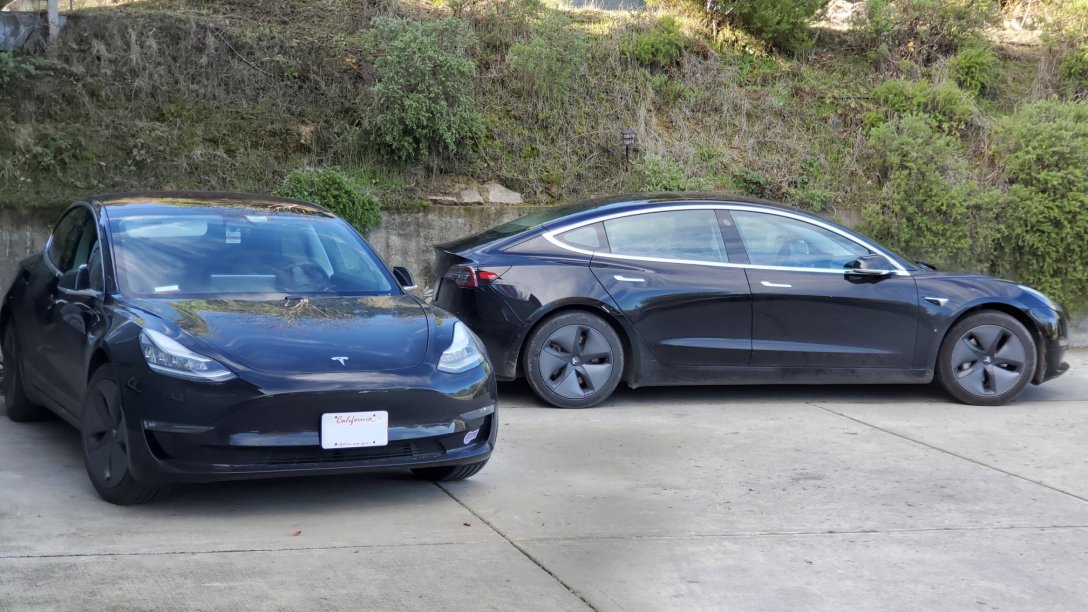
Well, that was quick! In a blink of an eye—seven months to be exact—our Tesla Model 3 has accumulated 10,000 miles. We love the fleet, frugal and tech-forward Model 3 as much as ever, but we have discovered a few things about the car, and ourselves, that we’d like to share.
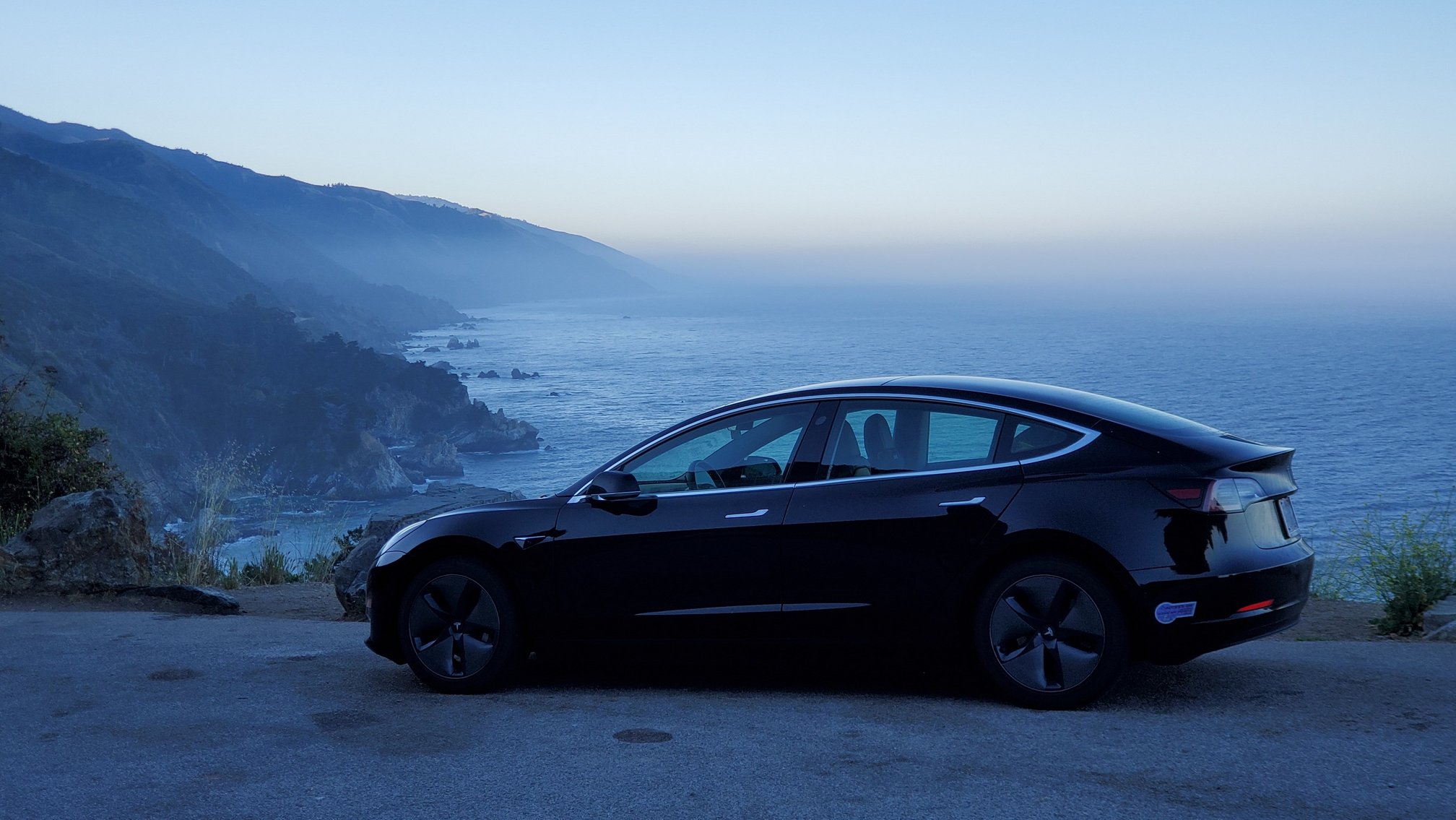
To our surprise, we want to take the Model 3 on many more kinds of outings than we anticipated. We knew the Model 3 would be great for commuting, school runs, and errands, but we didn’t anticipate preferring the Model 3 over our CTS-V and M3 for long trips to the coast and multi-day getaways to Southern California and the mountains. Simply put, the Model 3 delivers an easier and more relaxing highway-driving experience than the M3 and CTS-V. Kudos go to Autopilot, comfortable front seats, and the car’s airy cabin.
There have been just two trips where we shied away from using the Model 3 because of range anxiety or charging considerations. On our fall-foliage road trip to the distant side of the Sierras, the Supercharger stations were too far apart to let us (okay, me) drive with lead-footed gusto and freely explore the mountain canyons. So we took the CTS-V. (The CTS-V actually has worse range than the Model 3, but gas stations are everywhere while charging points are few.)
For our three-day trip to Santa Monica, our desire to get to Santa Monica as soon as possible made us forgo the Tesla and the two 30-minute charging stops it would have forced upon us. Simply, we just wanted to spend that extra hour on the beach instead. The smaller battery of our Model 3 Mid Range was partially to blame: If we owned a Model 3 Long Range and could have done the trip with just one stop, we might have taken the Tesla after all.
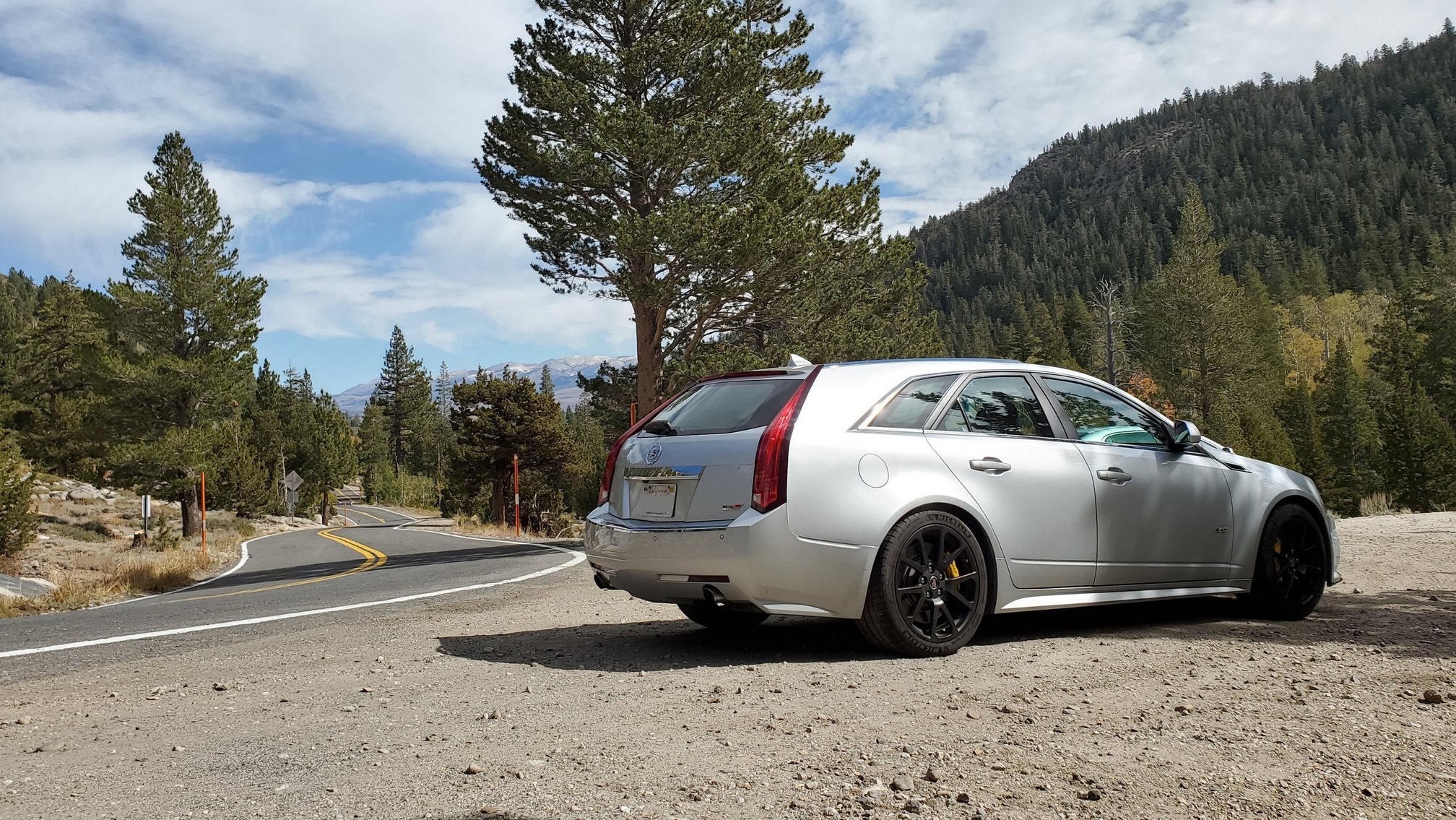
Conversely, the only trips I don’t want to take in the Model 3 are my weekend, red-blooded hoons. For furious flights over mountain passes, I prefer to fire up the CTS-V. Its talkative steering, involving 6-speed manual and skid-tolerant traction control make it a giggle in the canyons. For ten-tenths attacks at the racetrack, I belt into the M3. Its beefed-up suspension, tires and brakes are better suited to track duty, and its stability control is defeatable, so I can practice all of my advanced driving skills. The M3 can also be quickly refueled between sessions. A sports-first super sedan the Model 3 Mid Range is not.
In our first months with the Model 3, we pined for several features that were common to other cars but were missing from our Model 3. While we could have keyless entry on the Model 3, the car didn’t adjust the seat position and change the driving settings for the arriving driver. While the Model 3 accepted voice commands, the command selection was limited to navigation and phone features. While the car connected to our smartphones, it didn’t support hands-free texting. All of these shortcomings were fixed with over-the-air updates. Think of how unusual this is for the automotive industry: Features that were never promised at purchase are regularly added via over-the-air updates!
Here is an incomplete list of the improvements our Model 3 received via over-the-air updates since May 2019: A 5% increase in acceleration. Support for one-pedal driving. (This is driving without the use of the brake pedal.) Improvements to the driving status screen to show more road markings, types of road users (bicyclists and pedestrians), and oncoming traffic. Upgrades to Navigate on Autopilot added support for automatic lane changes on the highway. Smart Summon was introduced, which lets the Model 3 trundle driverless through parking lots to pick up its owner. (I have yet to embrace this feature!) Fun time-fillers like arcade games, karaoke, Netflix, Hulu, YouTube, and Spotify were added, making charging stops more entertaining.
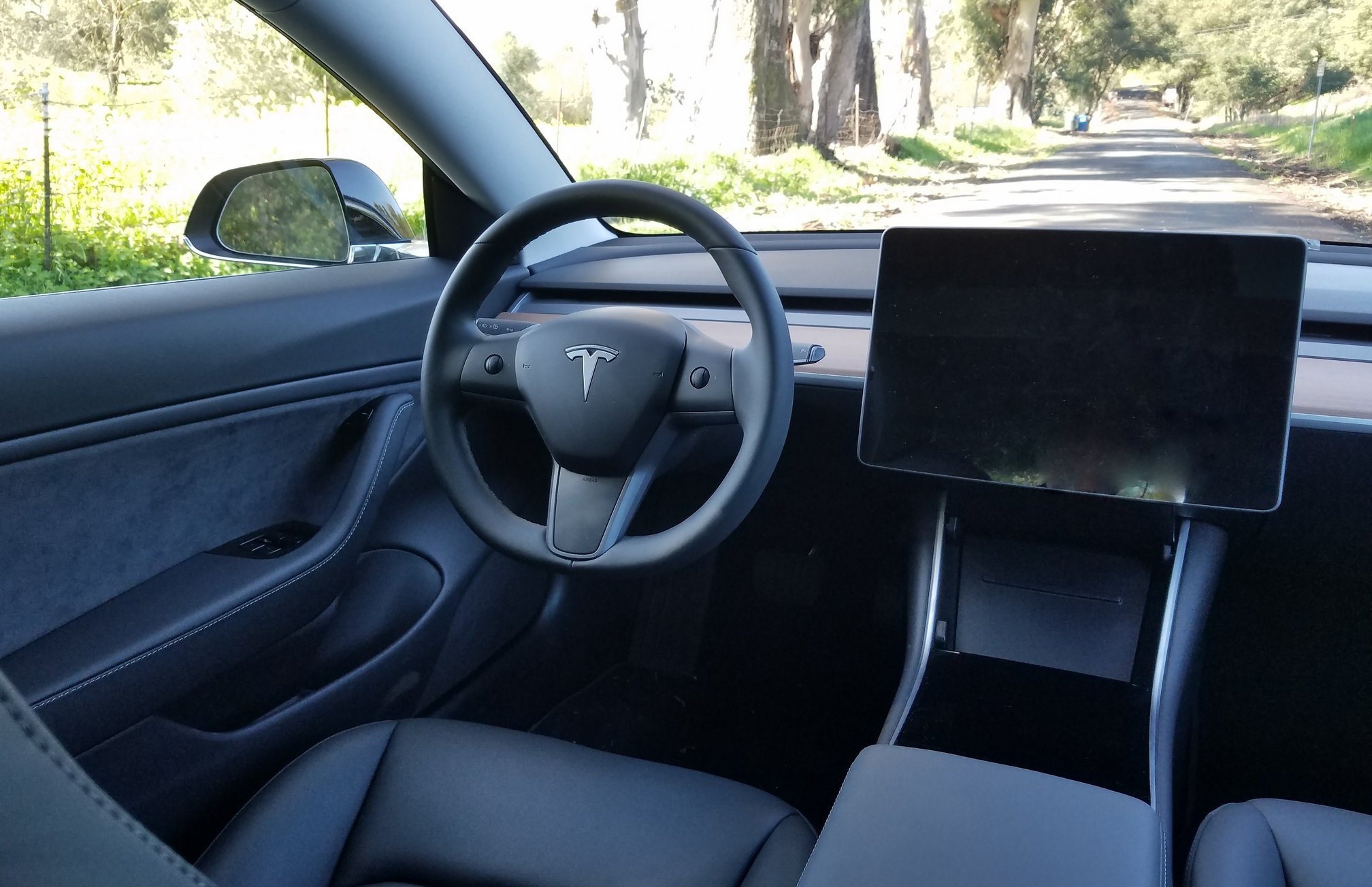
Over-the-air updates also fixed the one functional problem with our Model 3: The reversing camera would frequently display a black screen rather than the world behind the rear bumper. We took the Model 3 in for service and learned this was a known software bug. The service center couldn’t fix it, but an over-the-air update corrected the issue a few months later.
While it is nice to have a car that is actively being improved, the frequency of updates is concerning. How is it that our car needs so many updates? We are prompted to install updates two or three times a month. It feels like we are beta testing rather than driving a finished product!
The scariest bug we encountered with the Model 3 frightened my wife Kay off of Autopilot for several months. While Autopiloting down a multi-lane highway, the Tesla swerved right into an occupied lane. Kay had to fight the car to regain control of the steering and avoid sideswiping another vehicle. It took her several seconds of fighting with the steering wheel before she finally overpowered Autopilot and forced the system to disengage. We haven’t had a similar incident since, and we both hope that Tesla has fixed this problem!
That incident notwithstanding, Kay enjoys her Model 3. She likes the car’s power, comfort, excellent stereo, and the fact that she never has to stop at a gas station. Our 110v charging at home replenishes 50 miles of range in 10 hours. That is a little shy of what Kay needs for her daily commute, but she makes up the remainder on the weekend or by plugging into the faster Level 2 chargers at work.
I enjoy the fact that I can track Kay’s evening commute on the Tesla app. I peek at her progress, and when she’s nearing home, I put dinner on the stove. We eat more hot dinners together now that she is a Tesla driver.
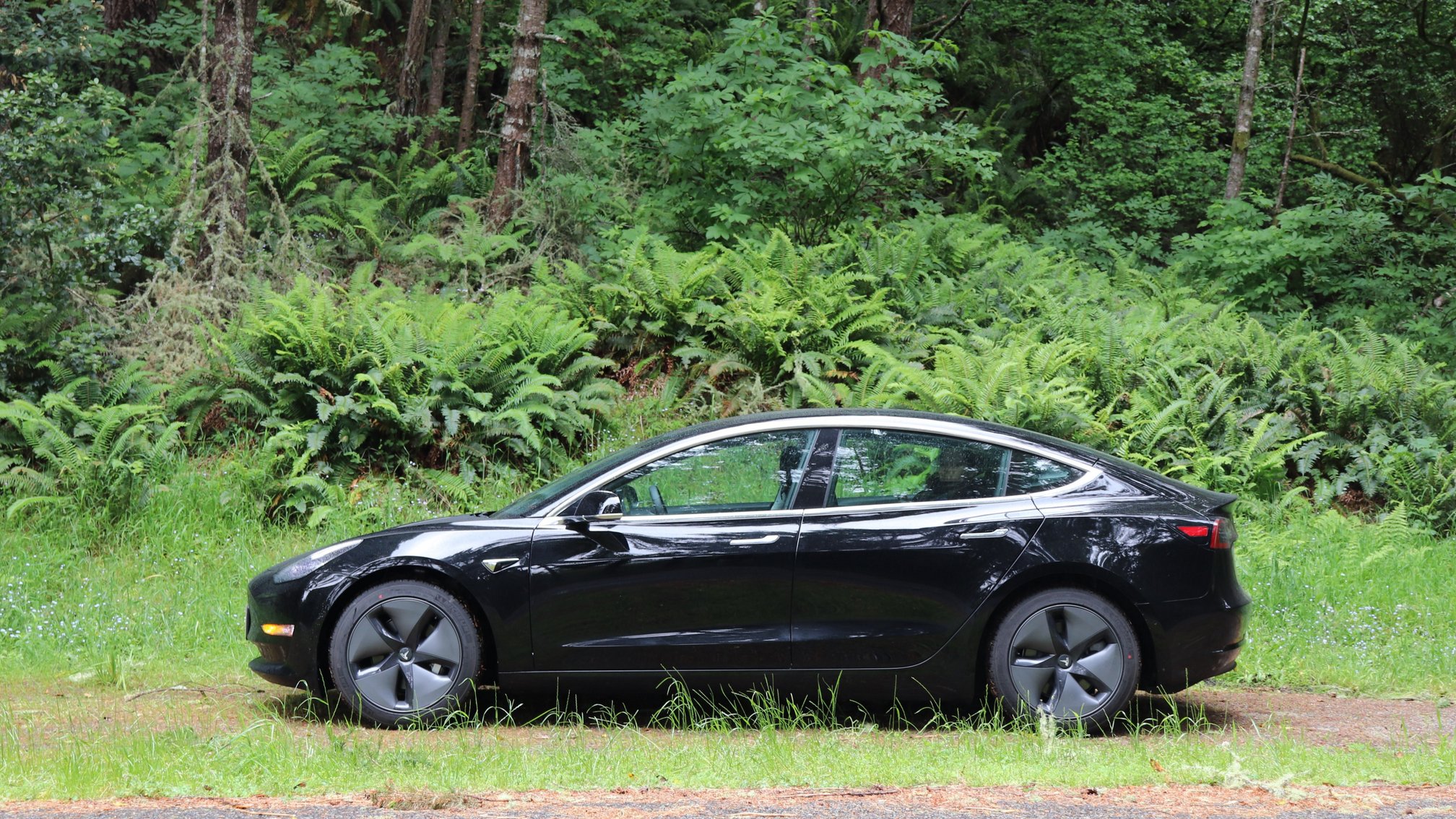
After years of driving the BMW M3 on top-tier summer tires, Kay finds the Tesla’s Michelin Primacy MXM all-season tires slippery and occasionally unnerving. When she’s hustling the Tesla through the Berkeley Hills, the torquey Model 3 can inadvertently overpower the rear tires and make the car shimmy. Stability control is always there to stop the skid, but it doesn’t always react before the car starts rotating. We’ll likely install Telsa-spec Michelin Pilot Sport 4 tires when the Primacy MXMs need replacement.
Beyond that, there’s nothing we need to change or modify about our Model 3 Mid Range. Sure, a bigger battery would reduce charging stops on road trips, but the two or three hours we’d save a year aren’t worth the trade-up cost. I’d love to experience its furious acceleration and lenient track mode of the potent Model 3 Performance, but the Model 3 Mid Range already out squirts most traffic, and I have my CTS-V and M3 for weekend play.
It has been 10,000 easy miles with the Model 3 Mid Range. We are happy Tesla owners so far!
 Mike's Steering Column