
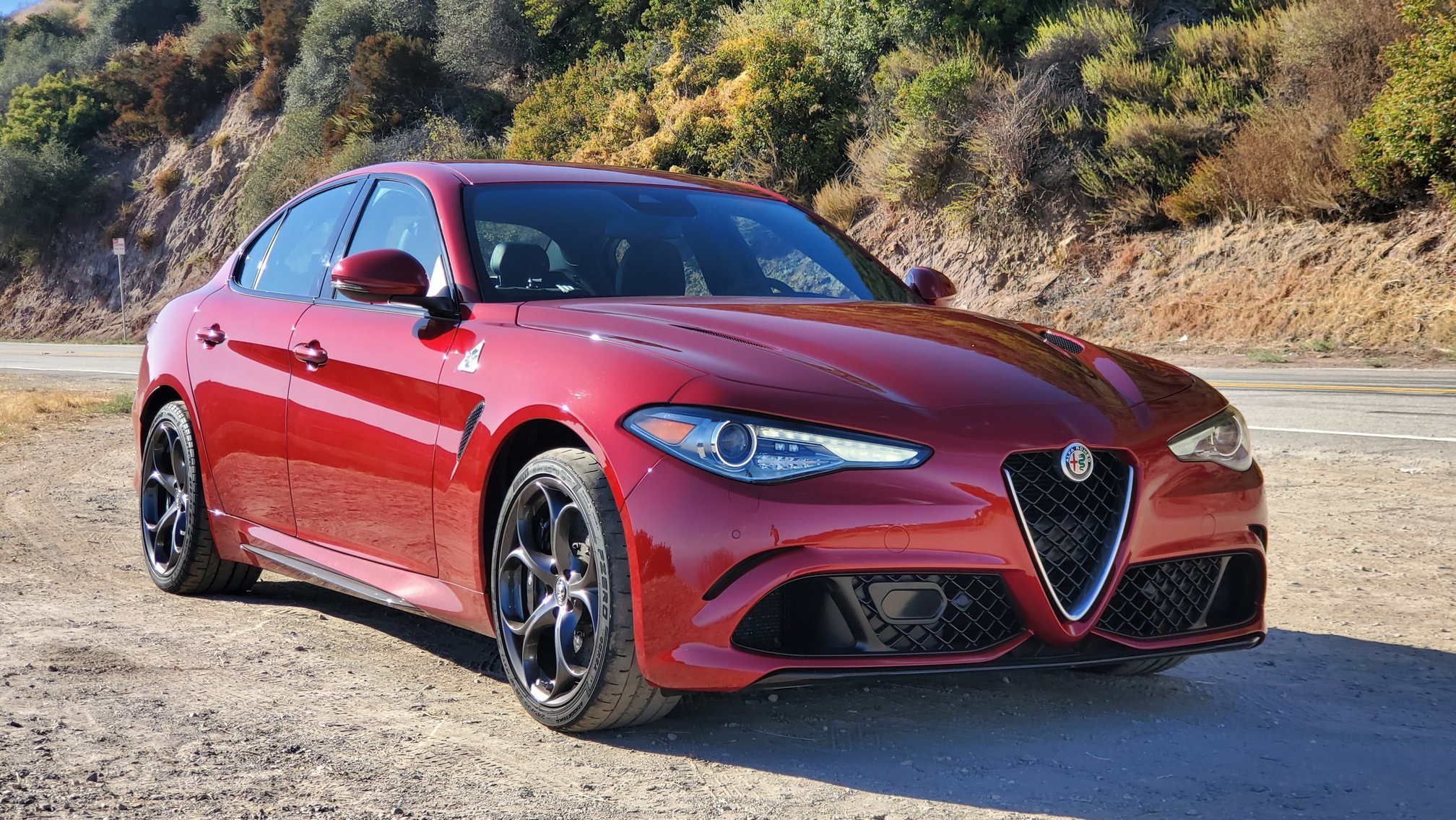
Dressed in Ferrari-evoking red paint and riding on grey phone-dial wheels, my rental 2018 Alfa Romeo Giulia Quadrifoglio is exactly how I’d order it. The color combination is perfect, as is the fitment of adaptive cruise control and the standard power seats. (Carbon-backed race buckets are an option.) This is a four-door, after all, so it should be comfortable day in and day out. Yes, this Giulia is a beautiful toy that is ready for the commute and the racetrack…but is it ready for my driveway?
I am excited to start driving. I adjust the seat, steering wheel and mirrors to ergonomic perfection—the Giulia’s driving position is very accommodating—and then I’m underway. Through the city, the Giulia is comfortably sized, big enough to be practical, yet small enough to be sporting. The magnetic ride suspension provides a smooth ride on broken urban roads. The cabin is missing some of the latest tech bling, but it’s handsomely fitted, quiet and luxurious. For a calm drive to the shops or a traffic-filled commute, the Giulia is a top choice. It’s a sports sedan that knows how to relax and chill.
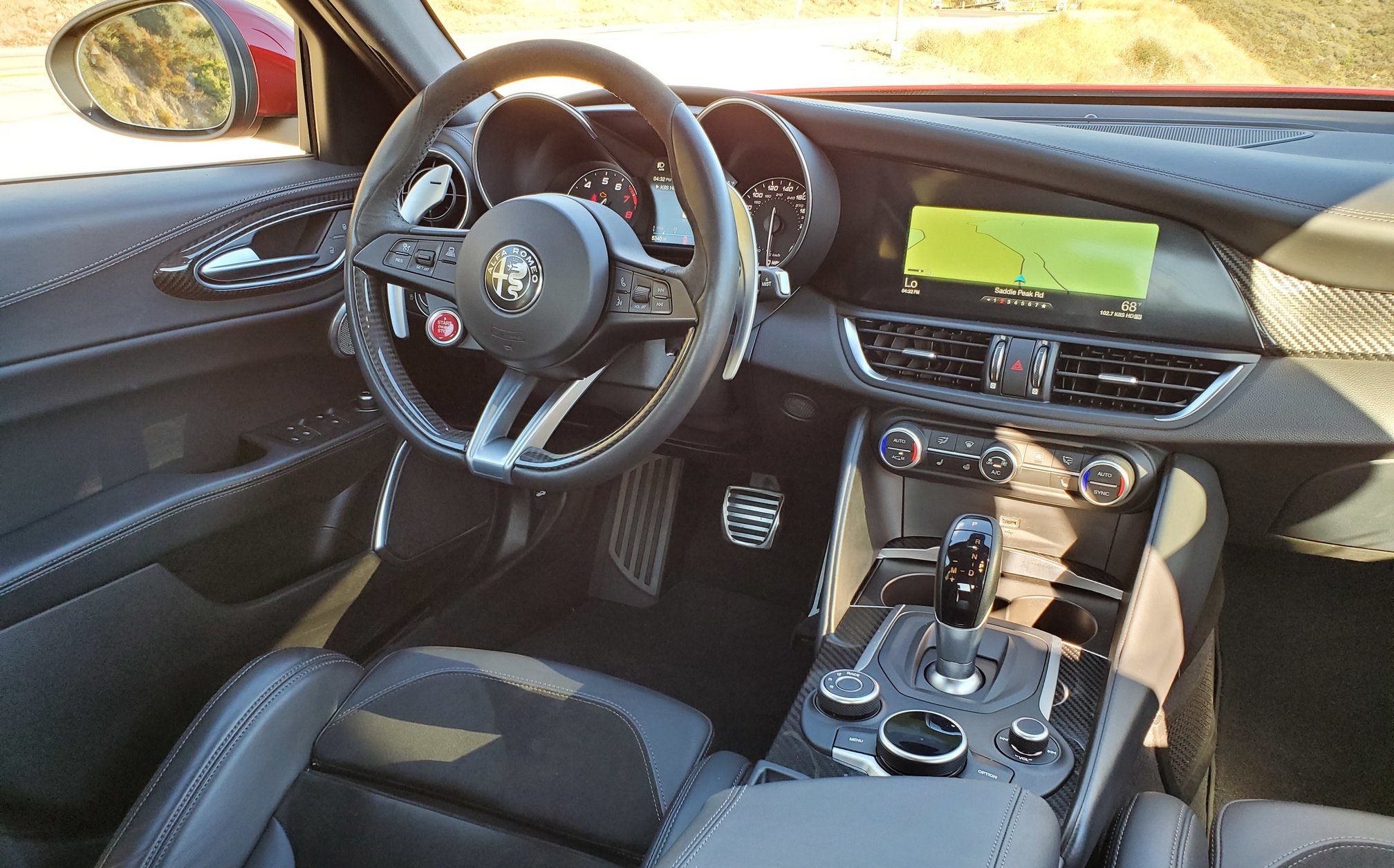
But there is a problem. Yellow and red lights are illuminated on the dashboard. The yellow light is engine-shaped, the universal check engine light symbol. The red is a lightning bolt that I decode as an electronic throttle control fault. This Giulia Quadrifoglio is chill because it’s sick!
I am dismayed that the ETC fault locks me out of the sportier drive modes and the firmer suspension modes. The fault has also sent the majority of the Quadrifoglio’s 505 horses to bed for R&R.
When I’m driving like a chauffeur through the San Fernando Valley, it is hard to notice the missing power. But when I have to make a left-hand dash across a city boulevard, I find the Quadrifoglio to be worrisomely slow to go. The engine moves sluggishly until 2.5k rpm, finds some half-hearted motivation, then throws in the towel at 5k rpm. A base 280 hp Giulia could outpace me today.
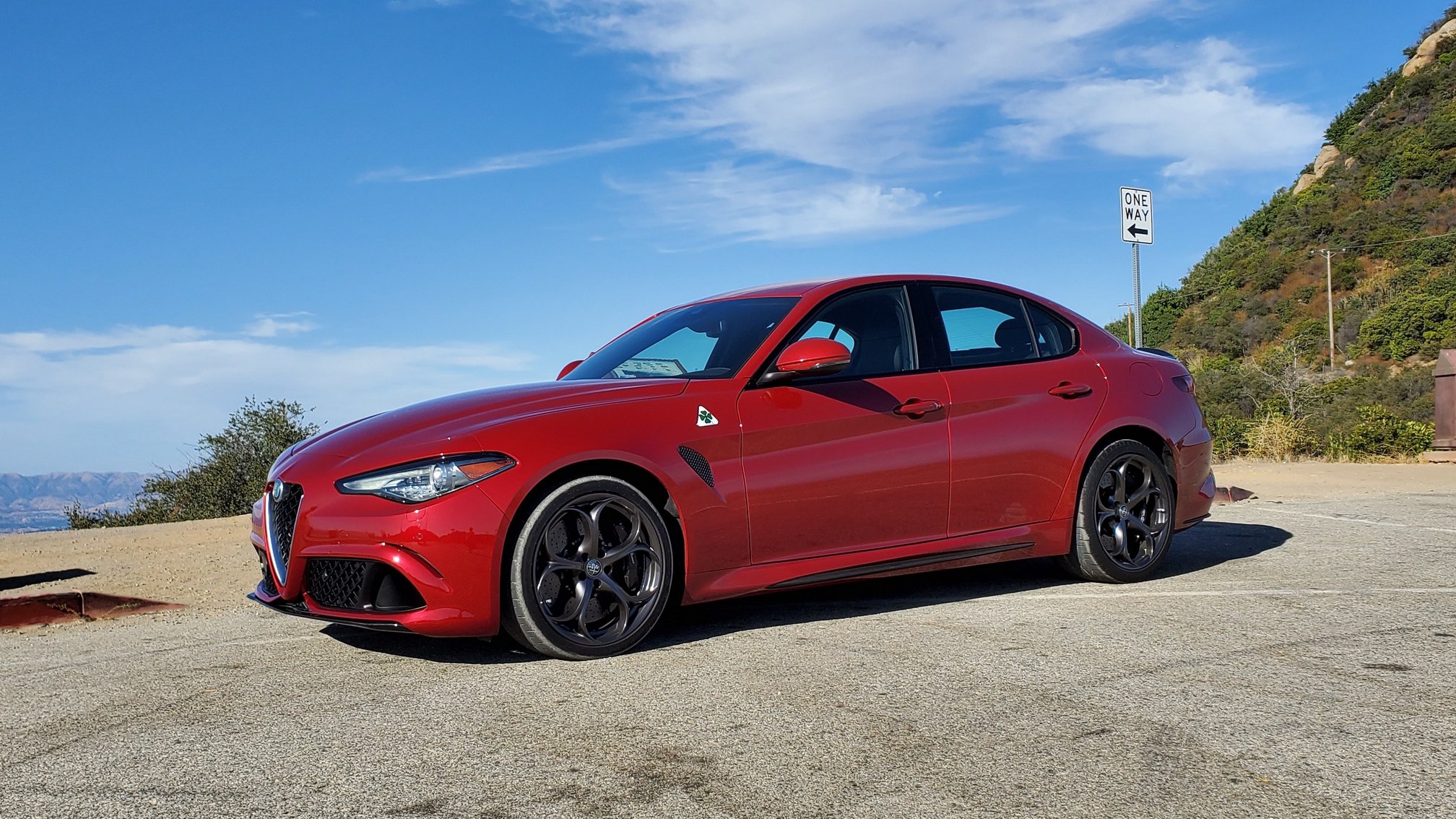
Crap! I’ve tasted the Giulia Quadrifoglio in appetizer-sized portions four times already, and today was supposed to be my main course of the sedan. Stubbornly hoping to salvage my plans, I maintain my course for the Santa Monica mountains.
The first dynamic test of the Giulia is on tight and twisting Dry Canyon Cold Creek Road. Are the Quadrifoglio’s legs as stricken as its heart? Thankfully not! The Quadrifoglio’s suspension keeps the front tires completely—and unerringly—glued to the road. The car slices into the tight corners with quickness, confidence, and seemingly endless grip. I’m impressed at how even the softest suspension mode (in which the Giulia is currently stuck) resists body roll and keeps the car commendably level.
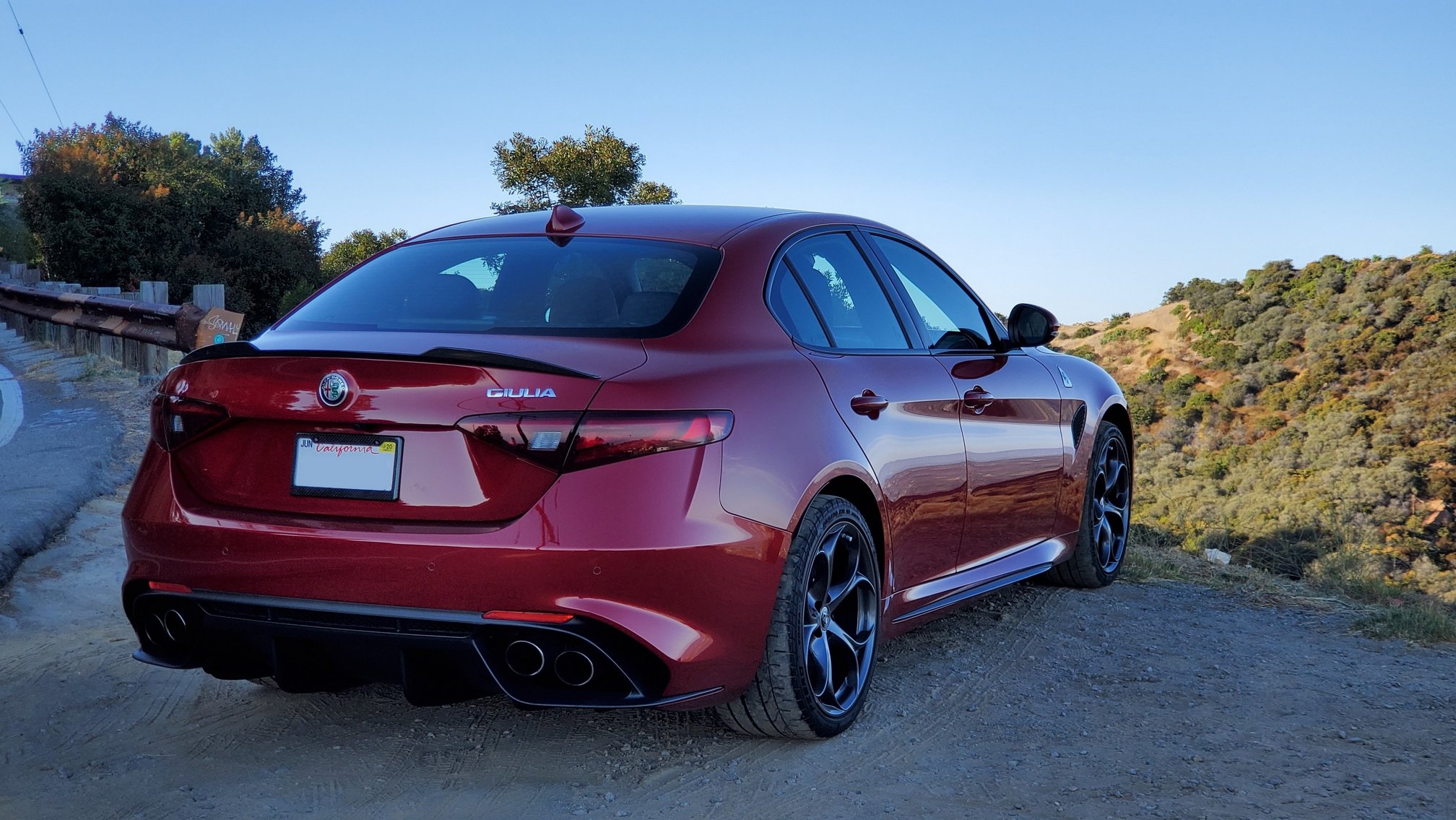
Corner after corner, I order the Giulia to attack. Like a guard dog after a thief, the Quadrifoglio sinks its fanged mouth into the tarmac and won’t let go. But the little engine power left can’t match the massive grip of the 285/30ZR19 Pirelli PZero Corsas, so this dog won’t wag its tail. This is a big problem for me. RWD sports sedans live and die by how playful they are via the gas pedal, and the Giulia won’t play.
I continue to Stunt road, my Malibu suspension test route. Since the Giulia is stuck in its softest setting, the car bounds over Stunt’s frequent large lumps and bumps. The soft suspension’s compliance is a concession to comfort. Curiously, the bounding mainly occurs when I’m driving straight; if I hustle the Quadrifoglio through twists and sweepers, the suspension keeps the car level and swallows the mid-corner bumps without perturbation. The Quadrifoglio feels ready for jumping curbs at the track. I like how Alfa has intelligently programmed the magnetic shocks to enable hard driving in all the modes.
With the check engine light lit, the ZF 8-speed transmission has lost its crisp edge. Its shifts feel slow, yet curiously the shift logic still aggressively blurps when I make high-rpm upshifts. It’s as if Alfa forgot to disable their theatrical upshifts while the check engine light is on.
It’s not fair to critique the Giulia’s throttle response when the car has an electronic throttle control fault, but I don’t think it is fair that my test drive is ruined! When I tip into the throttle at lower rpm, the response is stereotypical of a small displacement engine with big turbos: The Giulia’s urge to move surges as the exhaust gasses start flowing and the turbos spool. Other turbocharged cars better mimic the linear responses of a naturally aspirated engine.
Is it amusing that the thing the Giulia is supposed to do poorly I find to be fine? I don’t have any bad words to say about the car’s drive-by-wire brakes. My city stops are smooth, never prompting any thoughts of the Giulia’s e-braking notoriety. My canyon stops are equally flawless.
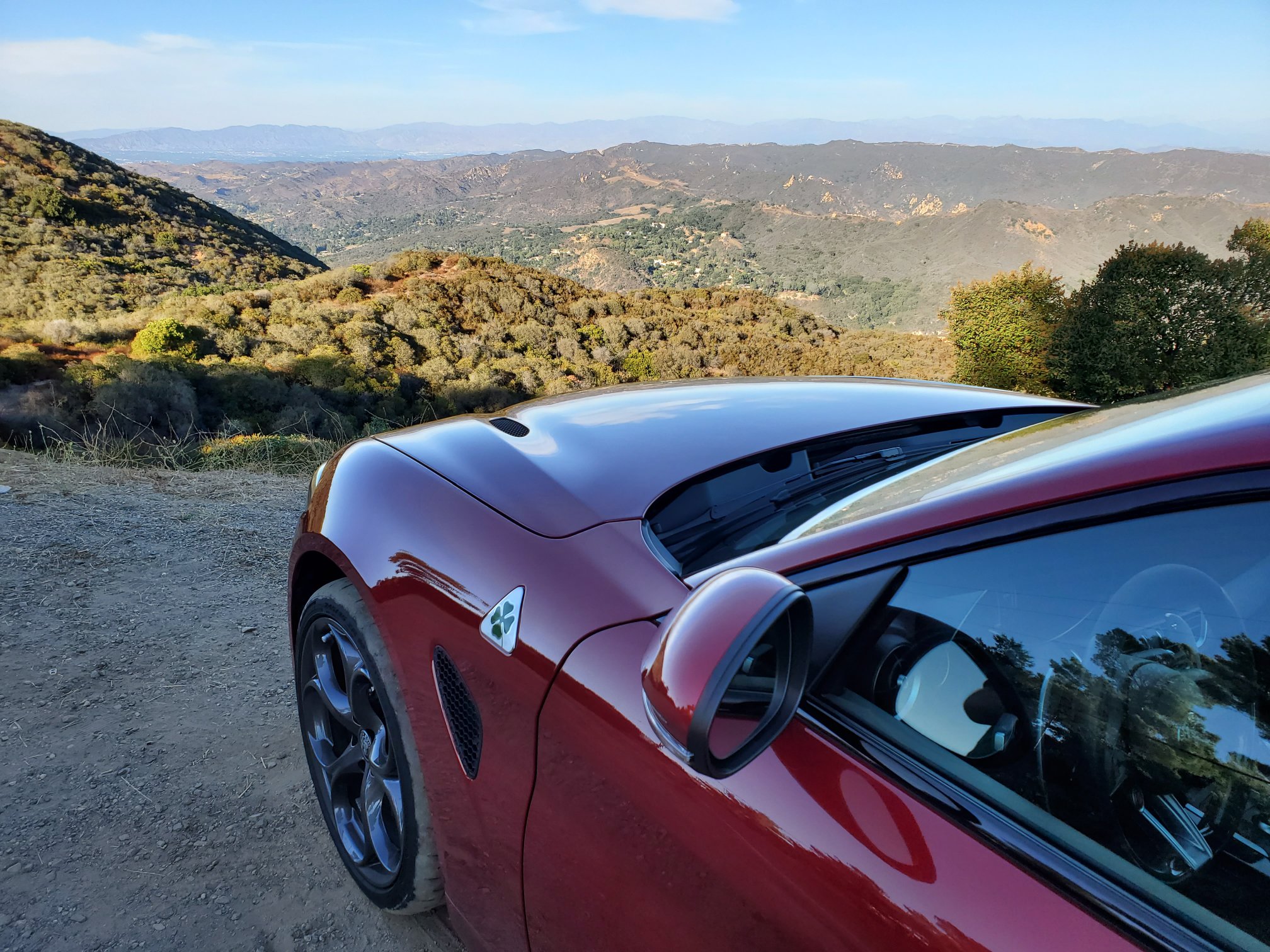
I give the Giulia one more chance, attacking Saddle Peak road like a hellbent Miata driver. Yes, the Giulia really has amazing front-end grip and corning composure; there is no sense that the Italian tips the scales at 3800 lbs. Still, I miss my RWD shenanigans.
I’ve had the car for an hour, and I am not crushing on the Quadrifoglio in the least. What a disappointment… What a shame! The rental host suggests the check engine light can be reset by parking the car and opening its hood and trunk. It does not work. It’s time to return the broken beast. The check engine light may have killed my fascination with the Giulia Quadrifoglio.
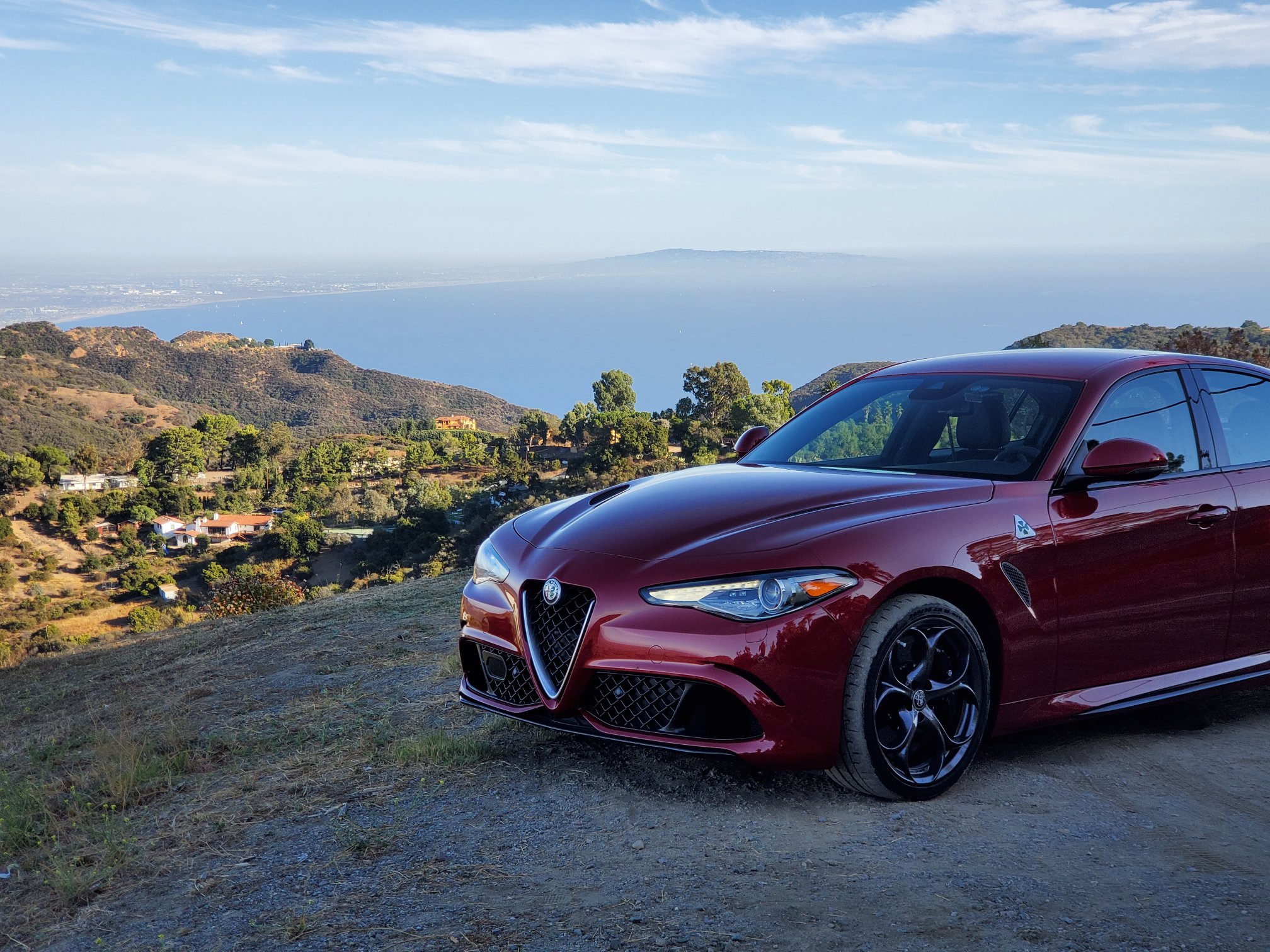
On the way down the mountain, I realize another deal-breaker for me is the steering. While I appreciate its quickness and precision, the steering’s recentering force and muted road feel are simply not on par with the best from Tesla, Mercedes-AMG and Porsche. Alfa’s EPAS doesn’t feel natural to my hands, as it’s plagued with that horrible, rubbery recentering force that afflicts most first-generation EPAS systems.
On paper, the Giulia Quadrifoglio has all of the pieces to make it a lust-worthy car for which I would open my pocketbook. But five tries is enough. I can’t find chemistry with the Quadrifoglio, and I don’t see the point in trying further.
 Mike's Steering Column